


| Issue |
Matériaux & Techniques
Volume 114, Number 1, 2026
Special Issue on ‘Advances in Steel Technologies’, edited by Carlo Mapelli, Silvia Barella and Riccardo Carli
|
|
|---|---|---|
| Article Number | 103 | |
| Number of page(s) | 18 | |
| DOI | https://doi.org/10.1051/mattech/2026002 | |
| Published online | 24 February 2026 | |
Review
Recent achievements of Industrial Symbiosis in the steel sector based on the Symbio-Steel project: a review
1
Scuola Superiore Sant’Anna, TeCIP, ICT-COISP, 56124, Pisa, Italy
2
RINA CONSULTING - Centro Sviluppo Materiali SPA, 00128 Castel Romano, Italy
3
FEhS Institut für Baustoff-Forschung e.V., 47229 Duisburg, Germany
4
Swerim AB, 97125, Lulea, Sweden
5
K1-MET GmbH, 4020 Linz, Austria
6
European Steel Technology Platform ASBL, 1000 Brussels, Belgium
* e-mail: This email address is being protected from spambots. You need JavaScript enabled to view it.
Received:
23
September
2025
Accepted:
29
December
2025
Abstract
Industrial Symbiosis refers to a collaborative approach, including synergies among companies for the transaction of resources, such as materials, energy, water, and by-products, thus resulting in mutual benefits and promoting a Circular Economy approach. Over the past decades, the steel sector was committed to reduce waste production as well as reuse waste and by-products to exploit them as a resource. Significant results in Industrial Symbiosis implementation have been achieved, creating new synergies and networks with other industrial sectors. Nonetheless, a comprehensive analysis of technical and non-technical barriers, that hinder the successful implementation of Industrial Symbiosis within the steel sector, can help implement an integrated and synergic approach encompassing and merging results and experience already achieved. This review paper presents a comprehensive overview of recent studies on the research trends on Industrial Symbiosis, considering drivers and barriers to its implementation, and maps the recent achievements related to the steel sector, by analysing the impact of some significant case studies. For instance, CO2 valorisation in flue gases and steel slags to produce silicates and carbonates via mineral carbonation and CO2 capture, re-use and sequestration by industrial symbiosis activities involving the steel and ammonia/urea industries are presented. The literature review based on selected publications allowed tracing the evolution of Industrial Symbiosis over the last few years. The assessment of main lines for research in Industrial Symbiosis allows identifying the challenges for future research. The analysis of implementation of new technologies can help to create new symbiotic networks and further developments and scenarios for the steel industry in a future characterized by material scarcity, decarbonization, and more stringent environmental legislation.
Key words: Industrial Symbiosis / circular economy / drivers / barriers / steel sector
© V. Colla et al., 2026
 This is an Open Access article distributed under the terms of the Creative Commons Attribution License (https://creativecommons.org/licenses/by/4.0), which permits unrestricted use, distribution, and reproduction in any medium, provided the original work is properly cited.
1 Introduction
To reach climate neutrality by 2050, the European Green Deal [1] promotes, among other measures, a more sustainable management of materials and resources by fostering the implement tation of the Circular Economy (CE) and Industrial Symbiosis (IS) concepts to reduce dependence on critical materials and replacing virgin materials. This will result in CO2 emissions mitigation and in developing and applying innovative[CE1] technologies to transform waste resources in the value chain into a usable form. In this context, Energy Intensive Industries (EIIs), e.g., steel, glass and cement industries, are major contributors to CO2 emissions, energy consumption, and waste generation. For this purpose, it is urgent to work on a CE strategy, which aims at achieving more sustainable production and consumption practices, considering societal, environmental, and economic aspects. From this perspective, IS represents a practical solution, where waste or by-products generated by one industry or sector are used as resources for another, leading to environmental sustainability and economic efficiency. However, at present many companies lack awareness of IS, due to different barriers, including environmental, economic, technical, regulatory, organizational, social, and cultural ones.
CE concerns production and consumption systems including products and resources used in production processes that can be re-used and recycled trying to minimise waste and to maximise resource efficiency. Compared to the traditional linear model of the economy, CE promotes continuous use, repair, and recycling of materials, leading to reduced consumption rate of natural resources and lower waste generation, which decreases the overall environmental impact.
IS concerns the use of waste, by-products, energy, water or other resources from one company, industry or sector as resources for another one, to achieve environmental and economic advantages. IS aims at developing synergies between industrial facilities or companies, often geographically proximate, entities, such as industrial parks [2], resulting in mutual financial savings and reduced dependence on raw materials and landfill disposal. According to [2], IS is defined, as follows: “The part of industrial ecology known as Industrial Symbiosis engages traditionally separate entities in a collective approach to competitive advantage involving physical exchange of materials, energy, water, and by-products. The keys to Industrial Symbiosis are collaboration and the synergistic possibilities [often] offered by geographic proximity”. This definition was renewed by Lombardi and Laybourn [3] as follows: “Industrial Symbiosis is a systems approach to a more sustainable and integrated industrial system, which identifies business opportunities that leverage underutilized resources (such as materials, energy, water, capacity, expertise, assets etc.)”. On the other hand, a more recent definition [4] states that “Industrial Symbiosis involves organizations operating in different sectors of activity that engage in mutually beneficial transactions to reuse waste and by-products, finding innovative ways to source inputs and optimize the value of the residues of their processes, for instance by using waste or by-products from one activity as an input for another activity”. During the European Committee for Standardisation, within the CEN Workshop Agreement on Industrial Symbiosis [5], IS was defined as “the use by one company or sector of underutilized resources broadly defined (including wastes, by-products, residues, energy, water, logistics, capacity, expertise, equipment and materials) from another, with the result of keeping resources in productive use for longer”. However, this process is still ongoing, and CEN plans to shape the roadmap for IS standardization in 2025.
In the process of IS implementation, a crucial role is played by the facilitator, particularly for handling managerial complexity and promoting awareness and trust among the involved industrial sectors/companies [6]. The role of policymakers is decisive to promote IS deployment, to facilitate the bureaucratic and administrative procedures connected with IS implementation and to provide incentive schemes to companies willing to implement IS activities but lacking proper financial means. However, this process can present some limitations, mainly referring to the application of a framework to a single country, and this can represent a limit to more generalized results.
The steel industry has strongly assimilated the IS approach in the last few decades, acknowledging its great potential to achieve a significant minimization of waste production through by-products re-use. Indeed, IS is not a new concept in the steel sector, although significant progress has been made in the last few decades. IS implementation within the steel industry is very important, as this sector is energy-intensive and its processes and activities result in a large environmental footprint. This approach between the steel sector and other industries (particularly other EIIs) aims at improving inter-industry collaboration, enhancing resource efficiency, and fostering sustainability. In this context, research activities play a crucial role in fundamental research directions, and some key topics will be developed in the next few years. For example, some research activities are assessing paramount topics such as the use of by-product gases, energy recovery, and alternative feedstocks such as hydrogen [7]. For instance, the HYBRIT project focuses on steel production by using hydrogen, and its fossil-free steel production case study analyses how collaboration among different sectors can result in a more sustainable steel production [8]. Further investigations on resource efficiency and CE aim at increasing the reuse and recycling of steel by-products, such as slag, to minimize waste and residues production and reduce natural resources exploitation [9]. This results in symbiotic activities, by using steel by-products in other sectors (e.g. construction, agriculture, etc.) [10]. On the other hand, Energy Metabolism and Network Analysis approaches are used to evaluate the sustainability of IS networks within the steel industry [11]. They help tracking materials and energy flows to identify new ways for optimization. Furthermore, digital technologies, such as Artificial Intelligence (AI), Machine Learning (ML) and advanced control systems [12,13], can contribute to increase the efficiency of steel industry symbiosis activities, such as optimizing energy use and by-product utilization. On the other hand, quantifying industrial ecological transformation of the steel IS network can be achieved by developing quantitative indicators to assess the ecological transformation of networks.
Further investigations on IS implementation aim at establishing new opportunities for encouraging further synergies among different sectors. In this regard, the analysis of different approaches developed in the steel sector can pave the way to new symbiosis networks. Furthermore, identifying specific drivers and barriers is crucial for new decision-making approaches.
The work described in the present paper was developed within the research project titled “Fostering Industrial Symbiosis solutions for the steel sector by results monitoring and dissemination from national and EU funded projects coupled to definition of cross-sectorial synergy scenarios” (Symbio-Steel – G.A. No. 101156509), that received funding from the Research Fund for Coal and Steel (RFCS) of the European Union. Symbio-Steel is an accompanying measure to spread and promote the exploitation of the most promising research results in recent and ongoing projects on IS, dealing with critical analysis and assessment of the most promising and relevant research outcomes. In particular, this paper focuses on current state, upcoming techniques, and developments of IS implementation, through literature analysis, to achieve proactive cross-sectorial cooperation and integrations. Specific barriers and impacts on companies, environment, and society are analysed considering aspects and characteristics of existing and new networks for new decision-making approaches. In addition, recent achievements in IS within the steel sector are presented. The analysis of achieved results in the steel sector aims at creating new opportunities and new synergies and networks with other sectors, according to the principles of IS.
2 Material and methods
Existing literature on IS implementation and on IS involving the steel sector has been analysed. A systematic collection and a methodological approach were carried out to create a comprehensive bibliographic dataset. Afterwards, an in-depth summary of existing evidence on the state-of-the-art in IS implementation, also focused on involvement of the steel sector, has been provided. This analysis, following a replicable, scientific and transparent approach, has been based on four steps, which are schematically depicted in Figure 1.
A search in the Scopus database and Web of Science (WoS) platforms was carried out using the keywords “industrial symbiosis” in combination with “factors”, “enablers”, “drivers”, “barriers” as well as with “steel”, “steel sector” or “steel industry” present in the titles and abstracts of articles. 112 relevant publications have been identified, including journal articles, conference papers, reviews, and book chapters, as mainly categorized by Scopus. In addition, different qualified websites have been considered. A sample (80) of representative articles analysing IS as well as its implementation involving the steel sector was used to most appropriately extrapolate keywords cited by scholars in this field of research. A high number of results through selected keywords were achieved. However, to ensure a focused analysis, 10 papers were excluded, e.g., the ones going beyond the IS definition. By searching on WoS and Scopus, the identified papers were filtered removing duplicates and inaccessible articles, resulting in a preliminary number (70) of eligible papers. Subsequently, some co-authors independently conducted a qualitative assessment to verify that selected publications specifically addressed the topic and the goal of the review paper. A practical screen has been provided to select sources for scientific evidence. The screening applied involved the following filter criteria: publication language: English; range of publication: last 7 yr, from 2019 to 2025 (except for 2/3 paper dated in 2016/2017), to focus on the most up-to-date progress in the field; type of document: article/review/book, to ensure peer-reviewed quality paper, but also qualified webpages. Extracting data involved gathering information for answering research questions, analysing and discussing results. In particular, the following data were extracted:
Materials, energy and economic cost/benefit.
Sectors involved in symbiotic activities.
Drivers identified.
Barriers identified and overcome.
Industrial Symbiosis in the steel sector.
Concerning quality assessment, the screening in full text answering the research question was carried out to exclude articles.
To ensure articles met this criterion, a preliminary review was implemented, accurately reading titles and abstracts. Then, a refined assessment based on full text was manually performed. This step led to a final total number of 49 articles included in systematic literature review. In each evaluation step, researchers have always confronted each other with doubts of interpretation. The final step involved synthesizing selected studies and discussing a systematic literature review. Table 1 provides a synthesis of the structure of the systematic literature review.
Figure 2 shows the numbers and the distribution per year of analysed papers dealing with IS Approach.
Figure 3 shows the topics and distribution per year of the analysed papers dealing with IS Drivers and Barriers.
Figure 4 shows related figures of the analysed papers for the section devoted to IS in the steel sector.
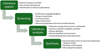 |
Fig. 1 Flow diagram of literature search, selection and screening. |
Selected topics and related data involved in the review process.
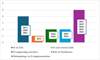 |
Fig. 2 Distribution per year and per topics of the analysed papers related to IS approach. |
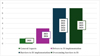 |
Fig. 3 Distribution per year and per topics of the analysed papers related to IS drivers and barriers. |
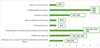 |
Fig. 4 Distribution per year and per topics of the analysed papers related to IS in the steel sector. |
3 State-of-the-art related to Industrial Symbiosis across sectors
The concept of IS is based on the idea of creating an industrial ecosystem which follows natural ecosystems, by promoting efficiency and sustainability [2]. The IS approach promotes CE activities by contributing to decarbonization in EIIs, reducing environmental impacts, and enhancing economic advantages for involved partners [14], thereby providing benefits across economic, social, and environmental sustainability [63]. Implementing IS in EIIs [16] entails synergies among the different sectors mainly through transactions of by-products and energy [15]. Exploiting by-products to produce final products with the same properties as those achievable via virgin primary raw materials can contribute to reduce raw materials consumption and disposal of waste materials to landfills. In addition, the utilization of secondary materials improves their economic potential. In the context of digital and green transition, cross-sectorial cooperation increases energy and resource efficiency, also enhancing the overall economic resilience. Furthermore, innovative technologies supporting IS activities should include the adjustment of related skills, competences, and experiences of the workforce, also considering new skills requirements [17]. In view of this, collaborative approaches target a higher resource efficiency, which can be facilitated by institutions through the adoption of appropriate policy frameworks and incentives which can support the adoption of circular practices, innovative technologies, industry collaboration, and supportive regulatory environments [18]. Innovation policy instruments aim at supporting collaboration and networking among partners, potentially influencing positively IS implementation, to foster IS in the EIIs both in the formation phases and in the IS dimensions [19]. In this regard, policies and regulations, such as European directives, communications, and funded programs, can facilitate or limit IS spread. The sustainable management of resources based on economic growth concerns the communication entitled “Roadmap to a Resource Efficient Europe” [64], introducing the IS concept to the agenda of some countries. “Closing the loop - An EU action plan for the Circular Economy” focuses on the cooperation with EU member states [65]. The Directive 2018/851 on waste aims at improving the efficiency of waste management and IS [66]. The importance of IS implementation is also highlighted in [67] and [68], while the “Circular Economy Action Plan” [69] is one of the main building blocks of the European Green Deal [1], supported by the previous European strategy “Europe 2020” on the rational resource management [70], the 2050 Climate and Energy Policy [71] and the Energy Union initiative [72]. The European Green Deal for the EU and its citizens follows previous road mapping documents [73,74] and the Climate Law [75] and aims at managing material and resources in a more sustainable way to achieve climate neutrality by 2050. In addition, the use of the Symbiosis Readiness Level (SRL) is proposed by the European Commission to identify and define the level of maturity of symbiotic interactions and to measure the progress of IS implementation [76]. The EU Energy Labelling regulation represents a guide for consumers toward energy-efficient products [77], supporting consumer`s social responsibility for driving IS implementation.
In the process of IS activities implementation, the role of facilitator as a third-party is crucial, driving the development and scaling of IS networks by analysing legal, economic, technical, and social aspects, engaging with local and regional governments, securing funding, and ensuring the network [75]. This role includes various activities with different levels of detail, such as developing linkages, coordinating, capacity and knowledge management, value assessment and distribution, and developing beneficial conditions and scaling up [20]. Facilitators face important challenges in managing and controlling the interactions between participants trying to promote dialogues among diverse stakeholders, assisting them in achieving their shared objectives, providing support for knowledge sharing and information dissemination among IS network actors, and organising activities and interactions. These activities aim to facilitate the interactions and to promote the formation of new networks among organisations that potentially can collect knowledge and insights produced by novel IS activities [21]. Facilitators can create awareness and interest, collecting good examples, screening firms, matching symbiotic partners, mapping local resources and establishing a collaborative culture during IS emergence. Furthermore, they can support overcoming obstacles associated with insufficient knowledge regarding IS activities, lack of connections and relationships and firms' unwillingness to disclose information.
Recently, awareness of the role of IS facilitators in knowledge sharing within IS networks has been improved considering that they perform different activities resulting in varied roles including stewards, mediators, catalysts and moderators. A connection has been found between IS facilitator roles and network structure. In particular, IS facilitators are central actors for knowledge sharing gaining knowledge that may require transformation to further share it among network actors and connecting actors without transforming information in a steward role. Knowledge sharing between the IS facilitator and its network actors can increase trust among them and, consequently, collaboration for the symbiotic exchange.
A further aspect to consider when dealing with IS is the development of a methodology to analyse the vulnerability of IS and, consequently, to provide managers with tools to develop a risk management procedure [22]. This methodology aims at assessing not only technical aspects, but also management, environmental, and economic issues, such as economic, political, social, intermediaries, process, and technology categories [25]. The method proposed to support risk management of industrial ecosystems adapts the Failure Mode and Effect Analysis (FMEA) methodology to IS contexts, enabling the anticipation of potential supply chain risks [26]. A new approach, the Industrial Collaborative Risk Management (ICRM) methodology, was developed, which aims at managing risks across operational and technical, managerial, organizational and governance, economic, financial, legal, environmental, and social aspects. This methodology contributes to minimize disruptions in material and energy exchanges, by improving the industrial ecosystems resilience as well as their strengthening and environmental sustainability. Furthermore, this approach aims at facilitating viability of symbiotic exchanges and supporting the achievement of sustainability goals. An example is provided by the concept of Hubs for Circularity (H4C), where industrial entities (e.g., large corporations, SMEs, and public facilities) are interconnected and collaborate within a specific geographic region to achieve resource circularity and carbon neutrality [23,24]. The new methodology, providing IS facilitators with a tool to collaboratively manage risks, aims at achieving goals with measurable impacts. It enables registration of interrelations, problems, and risks in collaborative activities and their corresponding solutions. It also promotes cross-sectoral communication, by facilitating knowledge exchange among different companies and sectors. It is crucial in establishing networks among companies, knowledge agents, and government institutions to collaborate and maximize the positive effects of symbiotic relationships, clear communication and information. Improving the flow of information among networks allows stakeholders to identify potential partnerships. However, some barriers can reduce the success of sharing communication and information. Business confidentiality represents one of these barriers, due to companies’ hesitation to share detailed data because of their sensitivity. For instance, information confidentiality among stakeholders can result in a lack of information about other companies’ by-products and waste flows. Furthermore, inefficient information flow can result in limited information availability and, consequently, accessibility to resource quality and quantity, and potential collaborations. For these reasons, it is fundamental to establish effective communication and relationships by enhancing the ability of companies to share information and resources efficiently.
Finally, a prevention-oriented approach for distribution activities allows identifying and prioritizing risks, resulting in better and more efficient resource allocation through the implementation of mitigation activities. This methodology supports the achievement of sustainability objectives. However, significant limitations have been identified in the risk assessment process. In particular, the variability in the ranking system used to evaluate each variable within the methodology can be a limit, as rankings can vary across different industrial ecosystems due to different scales, priorities, and contextual factors. Consequently, the established Risk Priority Number (RPN) values are not comparable, underlining the need for a context-specific approach when applying the methodology. Another identified limitation concerns data availability. For this purpose, the goal aims to coordinate actions consensually to mitigate risks based on the existing information. In the future, research should be focused on the application of this methodology in various industrial collaboration ecosystems, enabling the standardization of potential risks related to industrial collaboration environments. However, as corrective measures are highly case-specific, the risk is to lose the specific characteristics of each ecosystem, which are critical to ensure the effectiveness of the analysis.
3.1 Drivers and barriers to Industrial Symbiosis implementation
Drivers and barriers to IS implementation in the steel sector have been analysed considering their different dimensions, e.g. technological, social, intermediaries, economic, policy, management, or geographical. A driver is considered a factor facilitating and supporting the concretization of symbiotic synergies, while a barrier is a factor that hinders or obstructs the development of symbiotic synergies. The identification of drivers and barriers allows elaborating a set of recommendations useful to reinforce emerging synergies and to overcome the barriers, which can result in new decision-making approaches supporting final strategic decisions. Figure 5 summarises the key definitions and the aim of the main drivers and barriers to IS implementation.
In deeper detail, a recent study analyses barriers, drivers, and relationships in IS related to a network of Brazilian manufacturing companies [27]. Identifying the structure of the relationships that support IS initiatives involves by-product exchange to substitute raw materials, replace virgin materials, or recover energy, and exchange information to coordinate operations. Barriers identified consist of excessive processing costs, discontinuity risk, and imbalance between availability and demand, and excessive logistic costs. In particular, internal barriers are caused by the operation strategy of the plants hindering IS, e.g., the risk of discontinuity in the generation and lack of research to find new uses for surplus, as well as excessive availability or lack of by-product, and excessive processing or logistical costs and risks. On the other hand, drivers that stimulate IS are represented by cost reduction, new revenues, and/or compliance with legal requirements, which boost IS initiatives. Concerning environmental drivers, they are represented by the need to increase the useful life of deposits and landfills, new products, and compliance with legislation. This study, mainly focused on the cement and steelmaking industries, and it can be exploited as starting point for a comparative analysis involving other steelmaking and cement manufacturing networks around the world, considering the degree of development of IS relationships and the number and volume of by-products exchanged.
To provide an overview of the main drivers of IS implementation, a current study [28] suggests that, in general, the most important driver dimensions for IS implementation are intermediaries, geographical and policy dimensions. Concerning the intermediaries, government involvement and regional/national entities promote synergies and frameworks supporting IS. There are diverse levels of frameworks supporting IS: Macro (e.g., Waste Framework Directive [78], Circular Economy Package [69], Nationals plan, when available); meso (e.g. UK NISP [79], ENEA Italy [80]) and micro, when available. Concerning the level of governance, the framework should focus on strategic investment, promotion of regulatory instruments, incentives for IS, and increase awareness of IS benefits and opportunities. As far as economic drivers are concerned, they refer to funding and access to financial support to tackle economic barriers, such as co-funding investment, R&D projects, and the local and regional funding for IS. Finally, the geographical enablers are mainly the proximity and availability of logistic networks. To provide an example of specific drivers to IS, a recent work [30] assesses the required support level to facilitate the use of industrial waste heat as a source of local district heating and how IS activities could facilitate local energy transition. The first results show economic advantages concerning potential cost reduction up to 23%. However, to implement such projects, some challenges resulted from long payback times that exceed normal industry standards of a maximum of 5 yr. Furthermore, heat price and grid connection costs represent a real barrier to the implementation of the project. In this context, the policy intervention, both to financially support such projects and to overcome the barriers, represents a crucial aspect. In this regard, potential policy drivers to support IS implementation and development by providing economic and policy instruments have been identified [31]. The application of IS concepts is mainly influenced by framework conditions and indirect policies. The United Nations (UN) policy (via UNEP) supports IS implementation mainly focused on resource efficiency, CE, and sustainable consumption and production (SCP). Proposed drivers include redirection of investments, more sustainable technologies, better international and national co-operation, capacity building, as well as the reshaping of national and global economy. In addition, the UN has promoted the development of Eco-Industrial Parks since the 90-ies. In this context, cooperation between companies aims at providing access to platforms where they can meet and begin cooperating. Within such platforms, more self-organizing initiatives among companies, also involving local stakeholders, are promoted, thus representing a driver for further development and promoting synergy-related networks. These platforms are also important to provide information to companies about funding opportunities, various support initiatives, and potential investors. Therefore, they can be an important driver for change through capacity building within companies and, consequently, rising awareness among the stakeholders involved. Networks and synergies among companies operating in different industrial sectors through projects, solutions and integrated approaches represent the key aspects of IS. Promoting cross-sectoral cooperation and novel solutions and strategies for reducing resource and energy use and related environmental impacts can be the right solution to achieve and implement IS activities across the different EIIs.
A further recent in-depth analysis of various barriers (e.g. technical, economic, regulatory, and organizational) hampering IS implementation is proposed [36]. This study highlights that significant barriers to achieve and improve CE are represented by low demand for recycled materials, limited market size, and low valuation of exchange materials. In this context, the promotion of IS should target the creation of an economic value from recycled materials. This requires policy-driven market reforms, green public procurement initiatives, and harmonized international regulations, that can support a more competitive and sustainable recycling economy.
In the context of IS, technological barriers are related to changes or adaptations related to technologies that involve industries in the implementation of IS. Among major technical constraints, the lack of technological expertise and inadequate infrastructure indeed hampers IS implementation. The lack of knowledge and tools affects the identification of potential synergies, leading to lost opportunities for waste-to-resource transactions. In transitional stages and adaptations, a strong demand for technical expertise, particularly for the use of advanced equipment and machinery, is observed [34]. In addition, technological barriers concern issues related to waste quality, as an insufficient technical knowledge on this topic among the concerned companies hinders the identification and implementation of viable solutions. This can limit stakeholders' awareness of potential opportunities related to IS implementation, perceiving IS as an abstract concept rather than a process that can create opportunities. In this regard, to implement IS networks, identifying links and creating partnership opportunities are crucial.
A further point to consider is fluctuations in the demand for end products which can have a negative impact on the IS network [35], influencing the steadiness of energy exchanges during peak times, and resulting in shortages or surpluses, that impact the network overall efficiency. The increase of interdependency can contribute to the vulnerability of the overall system, thus making it necessary to focus on protecting significant components and controlling cascading failures within the network to enhance adaptability. Furthermore, the quality of supplies in exchange streams can significantly influence the IS implementation. Advanced treatment processes for by-products valorisation can improve the quality of shared materials [16]. These technologies ensure materials to meet the required standards for the different industrial applications, helping to maintain consistent quality. In this context, standardized technological processes and recovered resources/products are fundamental for implementing IS networks. Further technological barriers are represented by the scarcity or poor quality of data on waste, and the different locations where the data is generated are crucial aspects to collect and process them economically. To overcome these barriers, business associations, local governments and public institutions can play a crucial role in creating bonds of trust among companies [32]. Furthermore, for new potential synergies, they can share information, for instance, by publicizing success stories among stakeholders. The Industrial Symbiosis Identification Tool was developed [33] to identify IS opportunities through assessments, such as analysing industry inputs/outputs, engaging with park management and companies.
Geographical barriers and supply chain inefficiencies are related to the long distance and can produce difficulties in the product exchange and in transportation costs [31]. On the other hand, economic barriers are related to insufficient financial resources [34] (e.g., lack of initial investment costs and financial incentives), which hamper the adoption of IS activities, particularly in SMEs. High costs for upgrading facilities and acquiring specialized knowledge often prevent industries from adopting the advanced technologies required for IS implementation. Furthermore, technological limitations increase operational costs, creating a cycle where financial constraints hinder technological progress. In addition, fluctuating market demand for by-products can reduce the long-term IS implementation. Other barriers are represented by conflicting or unclear regulations. Complex approval processes and bureaucratic hurdles further slow the IS implementation and collaboration. Furthermore, informational barriers are related to the lack of information about by-products and waste flow provided by other companies, technical and training information, operational information management, information-sharing mechanisms, and job roles and responsibilities. Poor information-sharing mechanisms reduce potential symbiotic opportunities for industries operating in isolation. In addition, the lack of accessible information prevents companies from implementing technological solutions that could facilitate IS implementation. Another example is represented by organizational barriers related to the competition among industries, lack of environmental concerns and management support, resistance to change, lack of collaboration, lack of institutional support, lack of trust, power, status, time, and spatial facilities, lack of knowledge on the IS concept, and lack of employee engagement. Lack of organizational trust, resistance to change, and insufficient communication networks can reduce the ability to achieve IS partnerships. On the other hand, the lack of institutional support limits regulatory reforms that could facilitate IS adoption.
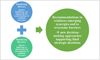 |
Fig. 5 Identification, definition and aim of the drivers and barriers to IS implementation. |
3.2 Overcoming barriers in Industrial Symbiosis implementation
The successful implementation of IS is characterized by complex interrelationships among Critical Success Factors (CSFs). In particular, leadership and technology drive positive outcomes in waste reduction, environmental impact, and economic growth [40]. Future research should aim at applying this methodology to a broader range of industries and regions to validate and improve the transferability of the results. Research can also explore the longitudinal effects of these CSFs on IS outcomes, assessing how changes in one factor affect the other ones over time. In addition, clear communication, enhanced training and education, and policy and regulatory support are essential. CSFs can be used to promote more resilient and sustainable industrial ecosystems.
The knowledge of interconnections among different barriers is fundamental to develop strategies that improve IS feasibility and scalability. By overcoming these barriers through coordinated policy efforts, financial incentives, technological investments, and knowledge-sharing initiatives, IS activities implementation can become more viable and scalable. In addition, to overcome barriers, a comprehensive approach based on cooperation and interactions is required, which can lead to networks for industry collaboration, establishing IS among companies, public entities, and institutions, by facilitating sharing materials energy and expertise among various stakeholders. In this regard, digital technologies, such as digital platforms can facilitate information sharing and increase synergies, by minimizing administrative costs [38] and promoting collaboration and trust among participants [39]. Technical problems can also be solved by developing digital solutions that exploit a wide range methodologies (Fig. 6).
One characteristic of IS is the flexibility of IS systems, related to their capacity to incorporate new participants, resources, and technologies over time. To improve system flexibility innovative modelling tools and ICT-based systems can be used. For instance, Agent-Based Systems and hybrid-AI approaches have been identified as promising methods for designing and analysing IS [37]. These tools can help capture, investigate, and quantify the results of changes in the system, supporting strategic planning, design, implementation, and management of IS networks. Modelling and simulation approaches can help predicting and mitigating potential chain-caused failures, and Agent-Based System Dynamics approaches can be applied for the IS design and analysis. On the other hand, Life Cycle Analysis (LCA) studies aim at developing a comprehensive understanding of the entire system, by also allowing the identification of potential weak points in the chain. Moreover, sector-specific databases, related to industrial by-products, can offer practical guidance on IS feasibility assessments and implementation efforts.
The use of digital platforms and ICT tools, such as AI-powered systems, is also crucial to connect industries. Simulation tools can provide potential synergies between industries before the IS activities implementation. Concerning waste management in IS, AI-driven platforms can be adopted to characterize and manage waste streams. In addition, a shared database would support involved companies by providing key information about available waste. Centralized data repositories can improve business collaboration, minimize missed opportunities, extend landfill lifetimes, and keep partners informed about waste offers, needs, and availability. In this context, cooperations between academia and industry promotes research and development focused on IS and support technological transfer. In particular, the collaboration with universities and technical schools to integrate IS-focused curricula into environmental engineering, business, and supply chain management programs is important. In addition, providing training to empower stakeholders in using these tools/platforms, defining standards for data collection and checks on updates and data quality, and using public data repositories are additional measures that can encourage the use of these tools. However, the lack of training programs focused on IS represents a technical barrier. The development of industrial specific IS training courses, particularly through collaboration among related companies, is fundamental to promote knowledge about symbiotic techniques and waste management practices [35]. These activities can also encourage governments and policymakers to fund and integrate IS activities into their environmental training programs.
Driving the financial viability and sustainability of symbiotic relationships is possible by the increase in sales, resulting from the enhanced marketability of products derived from symbiotic processes. On the other hand, the increase of raw material markets, thanks to symbiotic relationships, can allow companies accessing a wider range of inputs at lower costs. However, the economic growth and profitability of IS can be hindered by different factors, such as limited access to financial resources, high processing and logistical costs. Therefore, it is fundamental that companies can receive financial assistance, enabling them to obtain the necessary equipment and technologies for successful symbiosis activities. On the other hand, companies can minimize costs through material reuse, leading to increased turnover and economic sustainability. A recent analysis focuses on scientific achievements on IS economic aspect [41]. Potential economic advantages or disadvantages are highlighted to achieve an innovative and detailed IS economic evaluation framework, including revenues and costs items, contributing to the broad comprehension of economic benefits.
As far as social implications are concerned, IS is crucial to promote sustainability and enhance community welfare. This approach preserves natural resources and reduces the ecological footprint, resulting in a healthier environment (e.g. improved air and water quality) for local communities. Promoting a holistic approach to environmental management and social responsibility in IS implementation will contribute to sustainable development on a global scale. In this context, local and social acceptance are crucial to ensure the involvement of local businesses and the community in sustainable practices. Effective communication and information aim at building trust and credibility between organizations, local communities and the society as a whole, keeping stakeholders informed and engaged in the symbiosis activities.
To establish networks that enable companies, knowledge agents, and government entities to interact and share ideas synergistically, geographic proximity and inter-organizational relationships are crucial for the viability and success of IS implementation. This can increase logistical efficiency and effective interactions among organizations. In this context, assessing regional symbiosis aims at ensuring the benefits of implementing IS activities at the regional scale. The analysis of different IS scenarios under two energy cases (electricity and biomethane production) showed that regional symbiosis implementation can improve the robustness, circularity, and environmental impact of the ecosystem [42]. This study shows that structural metrics follow a different trend compared to regional and environmental metrics. A holistic assessment of systems and a network structural organization should be considered in regional sustainability planning. A multidimensional framework is also proposed to assess the regional symbiosis, considering structural, regional, and environmental dimensions. In addition, policy and regulatory support can ensure environmental compliance, aligning industrial operations with environmental laws and regulations, contributing to sustainable development. Developing financial and legal support can encourage synergetic industrial activity, and policies can promote the use of local and national funds to support circular economic operations, helping to transform industrial complexes into synergetic parks. However, some barriers may hinder the adoption of new processes, such as constraints imposed by law on the disposal of waste, as well as barriers to a waste product being considered as a by-product. In this context, governments should play an active role in the initial stages of IS implementation.
 |
Fig. 6 Examples of the main digital solutions to overcome barriers to IS implementation. |
4 Recent achievements of Industrial Symbiosis implementation in the steel industry
As previously stated [2], IS concerns physical transactions of materials, energy, water, and waste/by-products among diversified clusters of industries, where energy and material consumptions are optimized, and waste/by-products from one process serve as the raw materials for another. Companies involved in a symbiotic system can save expensive raw materials, reduce their extraction, minimize negative ecological impacts from waste, increase savings from their disposal reduction, improving the ecological environment and forming the symbiotic chain [43].
In the steel sector, IS practices are actively performed, transforming waste into assets, embracing CE concepts, easing pressure on resources and benefiting diverse sectors with a proactive commitment to resource conservation, environmental protection, and CE values [16]. Collaborations between the steel sector and other industries minimize its resource depletion and environmental impact, e.g., valorisation and utilization of Blast Furnace (BF), Basic Oxygen Furnace (BOF), Electric Arc Furnace (EAF) slags in agriculture and construction as well as plastic and polymer wastes for iron- and steelmaking processes, etc. Steelmaking slags, such as BOF slag, EAF slag, and Ladle Furnace (LF) slag are recovered over 80%, while BF slag is recovered at nearly 100%. According to Euroslag [81], in 2023 in Europe, all BF slag was used as cement/concrete addition, in road construction or in other applications, while steel slags were used in cement/concrete addition (3.3%), road construction (62.5%), hydraulic engineering (3.8%), fertilizer (7.5%), metallurgical use (9.8%) or other applications (7.4%).
For instance, slags, which are the main solid by-products produced during iron and crude steel production, can be used in Portland cement production. In particular, Portland BF cement is made by intergrinding or blending Portland cement clinker with granulated BF slag. Zinc oxides, from EAF dusts, can be used as a raw material in other metallurgical processes. In Europe, approximately 250,000 t/a of Zn is recovered through the Waelz process, which is a pyrometallurgical technique [82]. By Implementing IS activities, materials lead to a final product holding the same properties as the one produced by virgin materials exploitation, resulting in the reduction of landfilled materials and raw material consumption [15]. On the other hand, residues from other sectors can be used in the steel sector as secondary materials. For instance, carbon-bearing materials, such as biomass-derived char (biochar), selected plastic wastes, and rubber residues, can partially substitute fossil carbon (e.g., coal, coke, natural gas) in several iron- and steelmaking routes, contributing to CO2 emission reduction when the substituted material is of fossil origin. In cokemaking, the biomass or solid product after its pyrolysis can be blended with coal at amounts of approximately 2-10% of the coal charge. Higher amounts of substitution deteriorate resulting coke strength and reactivity. In iron ore sintering, biomass or biomass-derived char can replace part of the coke breeze, reducing CO2, SOx, and NOx emissions. Laboratory and pilot-scale studies reported replacement ratios up to 60% [9]. However, it represents experimental potentials rather than current industrial practice, which still limits large-scale implementation. In the BF, several substitution options exist. Carbon composites can be charged from the top, while waste plastics and, to a more limited extent, can be injected through the tuyeres together with pulverized coal. Industrial applications have demonstrated plastic injection rates of about 60-80 kg/tHM. In Direct Reduction (DR) processes, alternative reducing agents can be mixed with iron oxides or supplied as externally gasified streams [83]. In EAF-based steelmaking, a variety of carbon materials, including plastics, biochar, waste rubber, and fine carbon residues from other industries, can be utilized. For instance, depending on feed preparation and process control, substitution by polyethylene (PE) can be achieved at around 30%. This collaborative approach also supports innovative, sustainable, and low-carbon steelmaking and provides access to new technologies and supply sources, e.g., carbon capture and conversion, hydrogen steelmaking technologies, etc. According to the global sustainability goals (UN SDGs) [81], participants contribute to climate mitigation, emission reduction, and regenerative economic models. Viable lessons have been recently designed to assist stakeholders, investors, managers, and practitioners to implement networks, considering political, technological, and social dimensions, paving the way for future research and practical implementations within symbiotic networks [45]. In this context, IS produces new opportunities, although there are obstacles to its implementation. In particular, analysing the imbalance between waste supply and demand is fundamental for manufacturers implementing IS economic and environmental benefits. The lack of waste recovery technological knowledge and, consequently, technological differences among different partners, can compromise the IS implementation, even though there are balanced amounts of waste demand and generation. In addition, the carbon trading system is one of the most effective means of reducing carbon emissions. In this regard, an appropriate management of carbon assets can reduce operating costs, enhance competitiveness, increase profitability for emissions-control firms, and improve sustainable development. Implementing new technologies for improved energy efficiency in BF and EAF can reduce CO2 emissions of coal DRI-EAF steel by 6%, with 3% decrease in manufacture costs [84].
The steel sector uses about 7% of the overall global energy resources and contributes between 9% and 10% to the world Greenhouse gas (GHG) emissions. The steel industry is committed to meet climate change mitigation targets and, consequently, to decarbonize the whole sector to achieve a sustainable future. Currently, the steel sector is one of the most worldwide carbon emission point sources. In addition, the steel production generates between 10 – 20% of steel slags per crude steel mass. Achieving the decarbonization of the iron and steel industry is crucial in efforts to meet the EU's GHG emission reduction targets in 2030–2050, according to the European Green Deal [1]. The steel sector, in order to achieve the carbon–neutral goal by 2050, needs to be decarbonized by analysing technology pathways, industrial structure adjustments, and short- or long-term policies for GHG emission reduction. Decarbonization of the EU steel industry is a challenge as carbon still plays a key role in steelmaking processes. For this reason, the transition process can be supported by IS activities in the transformation for the steel sector and other EIIs to reach a circular and climate neutral society. In this context, policies, technologies, and industrial applications represent the three key pillars to be considered. The climate footprint of the steel sector has been recently investigated [84], by examining raw materials, iron and steel manufacturing processes, manufacturing and usage of steel products, waste, and recycling. According to worldsteel Association [85], in 2023 global CO2 emissions were 2.32 and 0.70 tonnes CO2 per tonne of crude steel cast, for the of the BF-BOF route and the EAF route respectively, while the Direct Reduced Iron (DRI) process produces 1.43 tonnes CO2 per tonne of crude steel cast. The assessment of established and new decarbonization strategies of the whole sector shows that this process will positively affect the environment, public health, and energy and carbon emissions reduction. In addition, financial, organizational, and behavioural aspects as well as decarbonization barriers are considered. Promoting decarbonization requires the implementation of new technologies, and the analysis and identification of possible paths for the steel sector decarbonization contemplated innovation dynamics, policy design, risks and uncertainties [85]. Existing energy-saving technologies have a limited carbon reduction capacity, thus further reductions need coordinated efforts, by optimizing collaborative CO2 emission reductions, by integrating IS activities. In this context, financial support, low-carbon policies and additional research are fundamental to further reduce carbon emissions [50]. On the other hand, the steel industry has faced higher pressure to reduce its CO2 emissions and achieve sustainable energy development [47]. Different hydrogen production technologies, with their potential to supply hydrogen or hydrogen-rich gas, are described by study [47]. In particular, they include applications of hydrogen in the BF production process, direct iron reduction (DRI) process, and iron reduction smelting process. In addition, the functions of hydrogen or hydrogen-rich gases as fuels in burners are presented.
In order to achieve a sustainable steel production, principles of CE can be applied through the valorisation of the CO2 emitted in flue gases and steel slags to produce stable silicates and carbonates via mineral carbonation, to achieve a long-term carbon capture, utilization and storage (CCUS). It has recently been shown that stable silicates and carbonates from the steel slags (i.e. BOF slags) can be produced through mineral carbonation [51]. This process results from the reaction of water and carbon dioxide as well as an alkaline source forming a stable layer of silicates and carbonates on the surfaces of the carbonated slags. Two mineral carbonation cases have been considered: case 1, where the steel slags are carbonated for 2 h; case 2, where the steel slags are carbonated for 33 h per batch. Results showed the calculated CO2 sequestered per annum is 1455 tonnes (case 1) and 3180 tonnes (case 2). It showed that the longer the carbonation duration, the more CO2 is sequestered. This can be considered as carbon capture and storage technology and resulted carbonated slags can be used in different applications, such as construction and agriculture sectors. In this context, it is crucial to quantify both environmental benefits and economic viability by assessing the environmental and economic impacts of steel slag mineral carbonation and by identifying hotspots and process parameters of the systems. Results have shown that mineral carbonation of steel slags is environmentally and economically viable for valorising steel slags and reducing carbon emissions in the steel sector [52]. In particular, mineral carbonation of steel slags can promote IS and CE within the steel sector, contributing to the net-zero target for the steel industry. Results can encourage IS activities implementation among different stakeholders related to the steel sector to promote a more sustainable steel manufacturing value chain, including CE principles. In addition, achieving the decarbonization of its production processes is becoming increasingly important as the steel sector aims at reducing emissions of harmful gases such as ammonia, benzene, carbon monoxide, hydrogen chloride, hydrogen sulfide, hydrogen cyanide, nitric oxide, nitrogen dioxide, and sulphur dioxide. Some of these pollutants generated during steel production came from various processes. Carbon monoxide is produced during the incomplete combustion of fuels, along with sulphur dioxide and nitrous oxide, while volatile organic compounds (e.g. benzene) are emitted during steel processing, specifically in annealing and heat treatment, and their presence can contribute to the formation of tropospheric ozone. In this context, the potential application of hydrogen as a renewable fuel alternative to fossil-based ones is encouraged. In this regard, current research results and challenges related to the sector's main trends are mainly focused on AI, Industry 4.0 (which is based on an intelligent networking of machines, electrical equipment, and modern Information Technology (IT) systems, allowing processes optimization and increased productivity), energy, decarbonization, supply chain, and strategic planning [49].
It has been predicted that in the next few decades the steel and fertilizer sectors will increase their activities in the worldwide market. This will require specific actions to achieve CO2 neutrality, as they are responsible for 30% of all industrial CO2 emissions and > 4% of annual global GDP (gross domestic product). In the context of IS approach, these two industrial sectors are actively committed in symbiotic activities that represented the focus of the H2020 INITIATE project [54]. In particular, these two sectors are coupled as the steel works arising gases that are used as feedstock for the production of NH3 and urea [55]. This will result in a reduction of the CO2 emissions, the energy requirement, and the raw material use. In particular, carbon capture, re-use, and storage are sustained by the production of NH3 and urea, resulting in benefits in terms of increased energy efficiency for CO2 removal, higher CO2 avoidance rates, and lower costs for CO2 capture. Achieved results through the Life-Cycle Assessment in terms of climate change impact show that, compared to the base case, the INITIATE case results in important reductions in net CO2 emissions of 1365 to 1546 kg CO2-equivalent/t steel, while the reference case presents lower net CO2 emission reduction at 656 kgCO2-equivalent/tsteel. Results are promising for the long-term implementation plan, although the related uncertainties are significant. On the other hand, biomass-based products, produced through slow pyrolysis and gasification technologies of biomass from forestry operations and forestry industries, can be used in the manufacture of iron and steel to reduce fossil CO2 emissions. Results from a recent study [53] show that maximum use of biomass-based products leads to a 43% reduction in CO2 emissions across all existing steelmaking technologies. In the study the performed optimization is related to the full value chain of bio-products, as alternatives to existing fossil fuels and materials applied across the whole steel production, i.e., from iron ore pellets to the finished steel products. In addition, the scenario analysis showed that the low prices of fossil fuels represent a barrier to adopt biomass as an alternative to fossil fuels.
In the context of digital and green transition, enabling digital technologies are crucial to favour cross-sectorial cooperation, according to the principles of IS, resulting in energy and resource efficiency [57]. Enabling technologies, such as AI, support prediction of process parameters, optimization of operations, forecasting of energy consumption and demand and connected emissions, as well as estimation of products and by-products characteristics [59]. As AI tools are not standalone technologies, in the decarbonization transition of the steel sector they can provide incremental technical improvement, by optimizing the way on how resources can be allocated, transported, and reused across industrial networks as well as optimizing and predict electrical loads or heat to assist grid operators. In this context, AI tools are used to improve existing technologies and support novel C-lean processes. For instance, the new generation of steel mills is shaped by digitized, networked, flexible, and adaptable monitoring and control solutions [58]. AI can model the environmental consequences and impacts of symbiotic activities, integrating lifecycle analysis tools and emissions forecasting models related to carbon footprint, water usage, energy consumption, and waste management. AI can match in a fast way by-products or waste outputs from one company or plant with resource needs of another. AI can simulate various scenarios, providing insights to decision-makers, supporting companies to proactive resource optimization. Concerning potential challenges of integrating Industry 4.0 technologies into steel reverse logistics activities, a recent study investigates obstacles to the efficient integration of Industry 4.0 and a sustainable steel reverse logistics system by Interpretive Structural Modelling. The final classification of the challenges was determined through the Fuzzy Analytical Network Process [60]. On the other hand, the Internet of Things (IoT) and Cyber-Physical Systems (CPS) help to rely on monitoring strategies, such as fault detection, to reduce the number of errors that can lead to large losses. In this context, predictive analytics was used by training and testing industrial data using Support Vector Machines, Random Forest, and Artificial Neural Networks to help solving the complex challenges faced in industrial data [56].
Advanced simulation tools are applied to improve the environmental performance of steelmaking processes. For instance, advanced flowsheet models are exploited to assess the viability of process integration solutions to improve by-products management. Modelling, simulation and optimization approaches can be used to determine the optimal route for by-products reuse and to find information on treatments by supporting selection and validation of potential solutions.
Furthermore, advanced AI- and ML-based techniques implementation can help operators in decision-making. Coupling optimization tools to the ever-increasing deployment of CPS, IoT, Big Data technologies, and edge computing results in improving the flexibility and reliability of steelmaking processes and product quality control. In addition, coupling such tools to advanced modelling and simulation approaches can support control and scenario analyses.
CPS are a fundamental component of Industry 4.0 and enable a new generation of intelligent processes. A relevant example concerns a production facility for long products (e.g. rails or pipes) and considers the main peculiarities of the sector. Here, the use of an industrial agent-based solution enabling intelligent features and interactions between cyber-physical modules is investigated and adopted. Results highlighted the industrial applicability of the implementation scheme adopted by combining agent-based technology with the proper connection between models, communication, and optimization methods [61].
To sum-up, among digital technologies, AI can enable IS to manage clusters of industries that are compatible from the geographical and operational point of view, e.g., mapping regions where symbiotic activities are most viable. AI, among other digital technologies enabling IS activities, can facilitate secure and transparent collaboration between companies, overcoming barriers, such as confidentiality, quality assurance, and transaction risk.
A recent analysis identified research activities and directions of IS in the steel sector, considering environmental, economic, and social aspects [62]. Technological developments are analysed, which support the reduction of environmental impacts, and their economic viability, promoting the implementation of symbiotic activities between the steel sector and other EIIs.
Some examples of the main research activities on Industrial Symbiosis that will produce benefits for the steel sector are summarized in Table 2.
The main research activities on Industrial Symbiosis involving the steel sector.
5 Conclusion
IS represents an essential strategy for the future of industrial operations, particularly in EIIs. In this regard, the efforts of industries, policymakers, and researchers are fundamental to create an environment that fosters symbiotic relationships and ensures long-term success. IS represents a good opportunity to improve sustainability and economic efficiency across different industries. However, different technical and non-technical barriers can hinder its implementation. In particular, technological, economic, regulatory, informational, organizational, and infrastructural barriers can be identified and analysed to overcome them. They include improving technical knowledge through targeted education and training programs, developing digital platforms for improved resource mapping and data exchange, and fostering collaboration between industries. Additionally, the role of policymakers and regulatory bodies is crucial in facilitating IS implementation. On the other hand, trust and organizational barriers require active engagement between stakeholders. Addressing the identified barriers by investing in robust infrastructure and adopting innovative technologies can significantly improve resource efficiency and industrial collaboration. In this context, IS can drive economic growth and environmental sustainability.
In the context of industrial systems, it is important to assess the economic advantages as well as to boost more efficient solutions to address economic, environmental, and social objectives. Results of a systematic literature review covering the last 7 yr of research into IS, particularly focused on the steel sector, were presented and discussed. The resulting analysis contributes to fill the knowledge gap by systematizing recent literature on the topic of areas of IS outcomes, in general, and particularly in the steel sector, and by outlining IS impacts that result from different perspectives. It allows building an innovative ability to conciliate different features, enhancing the implementation of IS activities by identifying drivers and barriers. Enabling digital technologies, e.g., modelling and simulation, can support improvements in resources efficiency in the steel sector and can help to create new symbiotic networks that aim at reducing by-products and waste disposal and CO2 emissions.
However, this research presents some methodological limits. In particular, using Scopus and WoS databases for the last 7 yr may restrict the potential number of articles in the sample. This can be overcome by expanding the temporal range. Subjectivity in judgment can negatively affect the quality of the work. Also, the use of selected keywords might restrict the research scope. However, the literature review presented in this paper is not intended to be exhaustive, providing an overview of recent available achievements in IS implementation, including efforts in achieving more proactive cross-sectorial cooperation. In addition, the main drivers and barriers for IS implementation can pave the way for further developments and scenarios in the steel industry in the future, including material scarcity, decarbonization, and more stringent environmental legislation.
Future research activities, supported by new achievements in the Symbio-Steel project, can include a wider focus on network consequences, by also quantifying environmental and social impacts from an economic perspective. New research directions to quantify the impacts of environmental, economic, and social sustainability will be defined, aiming at motivating companies to adopt and design new IS activities. It would be important to overcome barriers and to define a specific indicator for IS to quantify the total impact on companies, environment and society. Future research is also needed to integrate these indicators in the final decision-making process. Steel-industry symbiosis implementation will enrich stakeholders, harmonize economic growth with ecological equilibrium, and guide industries toward balanced, responsible development.
Glossary
AI: Artificial Intelligence
BF: Blast Furnace
BOF: Basic Oxygen Furnace
CE: Circular Economy
CEN: European Committee for Standardization
CSFs: Critical Success Factors
CCUS: Carbon Capture, Utilization and Storage
CPS: Cyber-Physical Systems
DR: Direct Reduction
DRI: Direct Reduced Iron
EAF: Electric Arc Furnace
EIIs: Energy Intensive Industries
FMEA: Failure Mode and Effect Analysis
GDP: Gross Domestic Product
GHG: Greenhouse gas
H4C: Hubs for Circularity
HM: Hot Metal
ICRM: Industrial Collaborative Risk Management
ICT: Information, Communication, Technology
IoT: Internet of Things
IS: Industrial Symbiosis
IT: Information Technology
LCA: Life Cycle Assessment
LF: Ladle Furnace
ML: Machine Learning
PE: Polyethylene
R&D: Research and Development
RFCS: Research Fund for Coal and Steel
RPN: Risk Priority Number
SCP: sustainable consumption and production
SMEs: Small and Medium-sized Enterprises
SRL: Symbiosis Readiness Level
UK NISP: United Kingdom National Industrial Symbiosis Programme
UN: United Nations
UNEP : United Nations Environment Programme
UN SDG: United Nations Sustainable Development Goals
WoS: Web of Science
Acknowledgments
The work described in the paper was developed within project entitled “Fostering Industrial Symbiosis solutions for the steel sector by results monitoring and dissemination from national and EU funded projects coupled to definition of cross-sectorial synergy scenarios” (Symbio-Steel – G.A. No. 101156509), that received funding from the Research Fund for Coal and Steel (RFCS) of the European Union, which is gratefully acknowledged. The sole responsibility of issues treated in the paper lies with the authors; the Commission is not responsible for any use that may be made of the information contained therein.
Funding
This research was funded by the Research Fund for Coal and Steel of the European Union within project entitled “Fostering Industrial Symbiosis solutions for the steel sector by results monitoring and dissemination from national and EU funded projects coupled to definition of cross-sectorial synergy scenarios”, Grant Agreement No 101156509.
Conflicts of interest
The authors have nothing to disclose.
Data availability statement
This article has no associated data generated and/or analyzed.
Author contribution statement
Conceptualization, V.C., T.A.B. and A.P.; Methodology, V.C., T.A.B. and A.P.; Validation, V.C, T.A.B, A.P., A.M., L.K. and C.W.; Formal Analysis, T.A.B., V.C., A.P., A.M., D.A., L.K., J.R., C.S., F.C.; Investigation, T.A.B., V.C., A.P., D.M., D.S., C.S., C.W., H.Y., E.N., T.J.O.; Resources, V.C.; Data Curation V.C, T.A.B, A.P.; Writing – Original Draft Preparation, V.C., T.A.B.; Writing – Review & Editing, A.P., D.S., C.S., D.M., F.C., H.Y., C.W., E.N., T.J.O., A.M., D.A.; Visualization, T.A.B., E.N.; Supervision, V.C.; Project Administration, V.C.; Funding Acquisition, V.C., A.M., F.C., J.R., C.W. and D.S.
References
- European Commission, Communication No. 640, 2019. The European Green Deal; (COM No. 640, 2019), Commission of European Communities, Brussels, Belgium, 2019 [Google Scholar]
- M. Chertow, Industrial symbiosis: literature and taxonomy, Annu. Rev. Energy Environ. 25, 313–337 (2000) [CrossRef] [Google Scholar]
- D. Lombardi, P. Laybourn, Redefining industrial symbiosis: crossing academic-practitioner boundaries, J. Ind. Ecol. 16, 28–37 (2012) [CrossRef] [Google Scholar]
- T. Domenech, R. Bleischwitz, A. Doranova et al., Mapping industrial symbiosis development in Europe_ typologies of networks, characteristics, performance and contribution to the Circular Economy, Resour. Conserv. Recycl. 141, 76 (2019) [Google Scholar]
- European Committee for Standardization, Industrial Symbiosis: Core Elements and Implementation Approaches, implementation, Workshop Agreement, 2018. Available online: https://www.cenelec.eu/research/CWA/Pages/default.aspx [Google Scholar]
- L. Sgambaro, D. Chiaroni, E. Lettieri et al., Exploring industrial symbiosis for circular economy: investigating and comparing the anatomy and development strategies in Italy, Management Decision (2024), https://doi.org/10.1108/MD-04-2023-0658 [Google Scholar]
- S. Dettori, I. Matino, V. Iannino et al., Optimizing methane and methanol production from integrated steelworks process off-gases through economic hybrid model predictive control, IFAC-PapersOnLine 55, 66–71 (2022) [CrossRef] [Google Scholar]
- HYBRIT Demonstration. Available online: https://www.hybritdevelopment.se/en/hybrit-demonstration/ [Google Scholar]
- L. Kieush, J. Rieger, R. Attrotto et al., Roadmap for recycling practices and resource utilization in the iron and steelmaking industry: a case studies, Matériaux & Techniques 112, 503 (2024) [Google Scholar]
- T. A. Branca, V. Colla, B. Fornai et al., Current state of Industrial Symbiosis and energy efficiency in the european energy intensive sectors, Matériaux & Techniques 109, 504 (2021) [Google Scholar]
- J. Wu, J. Lu, The synergetic effect of reducing pollutants and carbon quantified by exergy flow integrated resources and energy in an iron and steel symbiosis network, J. Cleaner Prod. 340 130807 (2022) [Google Scholar]
- V. Iannino, V. Colla, A. Maddaloni et al., Improving the flexibility of production scheduling in flat steel production through standard and AI-based approaches: challenges and perspectives, in: IFIP Int. Conf. Artificial Intelligence Applications and Innovations 619 (2021), https://doi.org/10.1007/978-3-030-79150-6_49 [Google Scholar]
- I. Matino, A. Petrucciani, A. Zaccara et al., Characterization of EAF and LF Slags through an upgraded stationary flowsheet model of the electric steelmaking route, Metals 15, 279 (2025) [Google Scholar]
- H. Li, L. Sun, L. Dong et al., Eco-benefits assessment on urban industrial symbiosis based on material flows analysis and emergy evaluation approach: a case of Liuzhou city, China, Resour. Conserv. Recycl. 119, 78 (2017) [Google Scholar]
- T.A. Branca, V. Colla, D. Algermissen et al., Reuse and recycling of by-products in the steel sector: recent achievements paving the way to circular economy and industrial symbiosis in Europe, Metals 10, 3, 345 (2020) [CrossRef] [Google Scholar]
- T.A. Branca, B. Fornai, V. Colla et al., Industrial symbiosis and energy efficiency in European process Industries: a review, Sustainability 13, 16, 9159 (2021) [CrossRef] [Google Scholar]
- T.A. Branca, B. Fornai, V. Colla et al., Skills demand in energy intensive industries targeting industrial symbiosis and energy efficiency, Sustainability 14, 23, 15615 (2022) [Google Scholar]
- M.F. Abbas, Z. Abbas, J. Godlewska, Potential of industrial symbiosis towards circular economy–a case of Poland, Akademia Zarządzania 8, 3 (2024) [Google Scholar]
- M. Laatsit, G. Johansson, Fostering industrial symbiosis in process industries: an innovation policy perspective, Environ. Technol. Innov. 37, 104027 (2025) [Google Scholar]
- L. Schluter, L. Mortensen, R. Drustrup et al., Uncovering the role of the industrial symbiosis facilitator in literature and practice in Nordic countries: an action-skill framework, J. Cleaner Prod. 379, 134652 (2022) [Google Scholar]
- K. Katana, B. Glaa, M. Mirata, Facilitator roles for knowledge sharing in industrial symbiosis networks during emergence, Business Strategy Environ. 33, 8, 8540–8558 (2024) [Google Scholar]
- B. Li, P. Xiang, M. Hu et al., The vulnerability of industrial symbiosis: a case study of Qijiang Industrial Park, China, J. Cleaner Prod. 157, 267–277 (2017) [Google Scholar]
- SPIRE, 2050—Hubs for Circularity (H4C), Presented at the EIT RawMaterials CIRCUIT Workshop, Circular Cities, Brussels, 10 October 2019. Available online: https://cdn2.hubspot.net/hubfs/2834550/5%202019%20SPIRE%202050%20H4C.pdf [Google Scholar]
- SPIRE. Processes4Planet-Transforming the European Process Industry for a Sustainable Society, Brussels, June 2020. Available online: https://research-and-innovation.ec.europa.eu/system/files/2020-06/ec_rtd_he-partnerships-industry-for-sustainablesociety.pdf [Google Scholar]
- J.D. Henriques, J. Azevedo, R. Dias et al., Implementing Industrial Symbiosis incentives: an applied assessment framework for risk mitigation, Circ. Econ. Sustain. 2, 669–692 (2022) [Google Scholar]
- L. Ventura, I. Martín-Jimenez, M. Gallego-Garcia, A risk management framework to enhance environmental sustainability in Industrial Symbiosis ecosystems, Sustainability 17, 6, 2604 (2025) [Google Scholar]
- M.A. Sellitto, F. Kazuhiro Murakami, M.A. Butturi et al., Barriers, drivers, and relationships in industrial symbiosis of a network of Brazilian manufacturing companies, Sustainable Prod. Consumption 26, 443–454 (2021) [Google Scholar]
- J. Henriques, P. Ferrão, R. Castro et al., Industrial symbiosis: a sectoral analysis on enablers and barriers, Sustainability 13, 4, 1723 (2021) [Google Scholar]
- R. Lybæk, T.B. Christensen, T.P. Thomsen, Enhancing policies for deployment of Industrial symbiosis–what are the obstacles, drivers and future way forward? J. Cleaner Prod. 280, 124351 (2021) [Google Scholar]
- L. Bottecchia, L. Kranzl, P. Zambelli, Driving industrial symbiosis: evaluating policy intervention effects on waste heat utilization in local district heating networks, Energy Build. 324, 114865 (2024) [Google Scholar]
- M.F. Rahman, K. Islam, K.N. Islam, Industrial Symbiosis: a review on uncovering approaches, opportunities, barriers and policies, J. Civil Eng. Env. Sci. 2, 011–019 (2016) [Google Scholar]
- S. Moser, V. Rodin, Die Industrial Symbiosis Gap: informationsasymmetrien sind die zentrale Herausforderung für industrielle Symbiose–Belege aus vier österreichischen Fallbeispielen mit Schwerpunkt Wärmekooperation, e & i Elektrotechnik und Informationstechnik 138, 264–268 (2021) [Google Scholar]
- UNIDO, Eco-Industrial Parks – Tools (2021). Available online: https://hub.unido.org/eco-industrial-parks-tools [Google Scholar]
- P. Herath, P. Dissanayake, G. Thisakya, The potential of industrial symbiosis: An analysis of barriers to its implementation for better waste management in industrial zones in Sri Lanka, in: Y.G. Sandanayake, K.G.A.S. Waidyasekara, T. Ramachandra, K.A.T.O. Ranadewa (Eds.), Proc. 11th World Construction Symposium 1064, 2023, https://doi.org/10.31705/WCS.2023.85 [Google Scholar]
- G.S. Daş, M. Yeşilkaya, B. Birgören, A two-stage stochastic model for an industrial symbiosis network under uncertain demand, Appl. Math. Modell. 125, 444–462 (2024) [Google Scholar]
- P. Krzeminski, A. Erceg, A. Anastasovski et al., Identification of technical and non-technical barriers related to the implementation of Industrial Symbiosis, 2025, https://doi.org/10.13140/RG.2.2.25686.36163 [Google Scholar]
- M. Demartini, F. Tonelli, K. Govindan, An investigation into modelling approaches for industrial symbiosis: A literature review and research agenda, Clean. Logist. Supply Chain 3, 100020 (2021) [Google Scholar]
- Z. Liu, Z. Chen, D.W. Hansen, Leveraging digital twins to support Industrial Symbiosis networks: a case study in the norwegian wood supply chain collaboration, Sustainability 15, 2647 (2023) [CrossRef] [Google Scholar]
- S. Noori, G. Korevaar, R. Stikkelman et al., Exploring the emergence of waste recovery and exchange in industrial clusters, J. Ind. Ecol. 27, 937–950 (2023) [Google Scholar]
- S.K. Chrysikopoulos, P.T. Chountalas, D.A. Georgakellos et al., Modeling critical success factors for Industrial Symbiosis, Eng. 5, 4, 2902–2919 (2024) [Google Scholar]
- M. Cisi, R. Napoli, Economic evaluation framework for Industrial Symbiosis through network lenses: a systematic literature review, Eur. J. Social Impact Circular Econ. 5, 3, 1–27 (2024) [Google Scholar]
- E. Barrau, A. Tanguy, M. Glaus, Closing the loop: structural, environmental and regional assessments of industrial symbiosis, Sustain. Prod. Consum. 50, 87–97 (2024) [Google Scholar]
- Q. Cao, Z. Xiao, T.C.E. Cheng et al., Manufacturers’ performance with industrial symbiosis under cap-and-trade policy considering waste supply-demand mismatch, Int. J. Prod. Econ. 282, C (2025) [Google Scholar]
- United Nations, Department of Economic and Social Affairs, Sustainable Development, The 17 Goals. Available online: https://sdgs.un.org/goals [Google Scholar]
- M.A. Sellitto, M.S. de Lima, A.E.F. Ackermann et al., Exploring Industrial Symbiotic networks: challenges, opportunities, and lessons for future implementations, Sustainability 17, 1509 (2025) [Google Scholar]
- T. Skoczkowski, E. Verdolini, S. Bielecki et al., Technology innovation system analysis of decarbonisation options in the EU steel industry, Energy 212, 118688 (2020) [Google Scholar]
- W. Liu, H. Zuo, J. Wang et al., The production and application of hydrogen in steel industry, Int. J. Hydrogen Energy 46, 10548–10569 (2021) [Google Scholar]
- J. Kim, B.K. Sovacool, M. Bazilian et al., Decarbonizing the iron and steel industry: a systematic review of sociotechnical systems, technological innovations, and policy options, Energy Res. Soc. Sci. 89, 102565 (2022) [Google Scholar]
- D.J. Horst, P.P. de Andrade Júnior, Sustainability of the steel industry: a systematic review, Proc. Paper 6, 2–73 (2022) [Google Scholar]
- J. Sun, H. Na, Y. Yuan et al., A systematic review of decarbonization pathway and modeling conception in iron and steel industry at meso-, and macro-levels, Environ. Sci. Pollut. Res. 31, 60749–60777 (2024) [Google Scholar]
- R. Ragipani, S. Bhattacharya, A.K. Suresh, A review on steel slag valorisation: via mineral carbonation, React. Chem. Eng. 6, 7, 1152–1178 (2021) [Google Scholar]
- P. Watjanatepin, L. Steinwidder, A. de Schutter et al., Preliminary environmental and economic assessment of mineral carbonation of steel slags as a carbon capture, utilization and storage technology, Procedia CIRP 122, 318–323 (2024) [Google Scholar]
- C.M. Nwachukwu, C. Wang, E. Wetterlund, Exploring the role of forest biomass in abating fossil CO2 emissions in the iron and steel industry – the case of Sweden, Appl. Energy 288, 116558 (2021) [Google Scholar]
- Innovative industrial transformation of the steel and chemical industries of Europe (INITIATE). Available online: https://www.initiate-project.eu/ [Google Scholar]
- H.A.J. van Dijk, M. Flores-Granobles, A. Perimenis et al., Initiate: CO2 capture, re-use and sequestration through industrial symbiosis of the steel and ammonia/urea industries, Re-Use and sequestration through Industrial Symbiosis of the steel and ammonia/urea industries, in: Proc. 17th Greenhouse Gas Control Technologies Conference GHGT-17, 2024, https://doi.org/10.2139/ssrn.5068676 [Google Scholar]
- T. Nkonyana, Y. Sun, B. Twala et al., Performance evaluation of data mining techniques in steel manufacturing industry, Procedia Manuf. 35, 623–628 (2019) [Google Scholar]
- T.A. Branca, B. Fornai, V. Colla et al., The challenge of digitalization in the steel sector, Metals 10, 2, 288 (2020) [Google Scholar]
- T.A. Branca, B. Fornai, V. Colla et al., Current and future aspects of the digital transformation in the European Steel Industry, Matériaux & Techniques 108, 5–6, 508 (2020) [Google Scholar]
- N. John, J.H. Wesseling, E. Worrel et al., How key-enabling technologies' regimes influence sociotechnical transitions: the impact of artificial intelligence on decarbonization in the steel industry, J. Cleaner Prod. 370, 133624 (2022) [Google Scholar]
- M. Pourmehdi, M.M. Paydar, P. Ghadimi et al., Analysis and evaluation of challenges in the integration of Industry 4.0 and sustainable steel reverse logistics network, Comp. Ind. Eng. 163, 107808 (2022) [Google Scholar]
- V. Iannino, J. Denker, V. Colla, An application-oriented cyber-physical production optimisation system architecture for the steel industry, IFAC-PapersOnLine 55, 60–65 (2022) [Google Scholar]
- V. Colla, T.A. Branca, R. Pietruck et al., Future research and developments on reuse and recycling of steelmaking by-products, Metals 13, 676 (2023) [CrossRef] [Google Scholar]
- European Commission, Long-Term Competitiveness of the EU: Looking Beyond 2030, COM (2023), European Commission, Brussels, Belgium, 2015. Available online: https://commission.europa.eu/system/files/2023-03/Communication_Long-term-competitiveness.pdf [Google Scholar]
- European Commission, Roadmap to a Resource Efficient Europe COM (2011) 571 Final, European Commission, Brussels, Belgium, 2011 [Google Scholar]
- European Commission, Closing the Loop—An EU Action Plan for the Circular Economy—COM(2015) 614 Final, European Commission, Brussels, Belgium, 2015 [Google Scholar]
- European Commission, Directive (EU) 2018/851 of the European Parliament and of the Council of 30 May 2018 Amending Directive 2008/98/EC on Waste, European Commission, Brussels, Belgium, 2018 [Google Scholar]
- European Commission, Measuring Progress towards Circular Economy in the European Union e Key Indicators for a Monitoring Framework 16.1.2018. SWD(2018) 17 Final, European Commission, Brussels, Belgium, 2018 [Google Scholar]
- European Commission, Proposal for a Decision of the European Parliament and of the Council on Establishing the Specific Programme Implementing Horizon Europe e the Framework Programme for Research and Innovation, European Commission, Brussels, Belgium, 2018 [Google Scholar]
- European Commission, Circular Economy Action Plan. For a Cleaner and More Competitive Europe, European Commission, Brussels, Belgium, 2020. Available online: https://ec.europa.eu/environment/circulareconomy/pdf/new_circular_economy_action_plan.pdf [Google Scholar]
- European Commission, Communication No. 2020, 2010. Europe 2020—A Strategy for Smart, Sustainable and Inclusive Growth; (COM No. 2020, 2010), Commission of European Communities, Brussels, Belgium, 2010 [Google Scholar]
- European Commission, Roadmap for Moving to a Competitive Low-Carbon Economy in 2050, European Commission, Brussels, Belgium, 2011 [Google Scholar]
- European Commission, A Framework Strategy for a Resilient Energy Union with a Forward-Looking Climate Change Policy; COM/2015/080 Final, February 25, European Commission, Brussels, Belgium, 2015 [Google Scholar]
- European Commission. The Road from Paris: Assessing the Implications of the Paris Agreement and Accompanying the Proposal for a Council Decision on the Signing, on Behalf of the European Union, of the Paris Agreement Adopted under the United Nations Framework Convention on Climate Change (Communication from the Commission to the European Parliament and the Council), European Commission, Brussels, Belgium, 2016 [Google Scholar]
- Intergovernmental Panel on Climate Change, Global warming of 1.5°C: An IPCC Special Report on the Impacts of Global Warming of 1.5°C above Pre-Industrial Levels and Related Global Greenhouse Gas Emission Pathways, in the Context of Strengthening the Global Response to the Threat of Climate Change, Sustainable Development, and Efforts to Eradicate Poverty; Intergovernmental Panel on Climate Change, Geneva, Switzerland, 2018 [Google Scholar]
- European Commission, Regulation of the European Parliament and of the Council Establishing the Framework for Achieving Climate Neutrality and Amending Regulation (EU) 2018/1999 (European Climate Law); (Proposal No. COM(2020) 80 Final), European Commission, Brussels, Belgium, 2020 [Google Scholar]
- K. H. Sommer, Study and portfolio review of the projects on Industrial Symbiosis in DG Research and Innovation: findings and recommendations, European Commission, Luxembourg, 2020 [Google Scholar]
- European Commission. Understanding the Energy Label, European Commission, Brussels, Belgium, 2024. Available at: https://energyefficient-products.ec.europa.eu/ecodesign-and-energy-label/understanding-energy-label_en [Google Scholar]
- European Commission, Waste Framework Directive—Directive 2008/98/EC. 2008, European Commission, Brussels, Belgium, 2008. Available online: https://eur-lex.europa.eu/legal-content/EN/TXT/?uri=CELEX:32008L0098 [Google Scholar]
- P. Laybourn, M. Morrissey, The pathway to a low carbon sustainable economy, National Industrial Symbiosis Programme; International Synergies, Bristol, UK, 2009 [Google Scholar]
- ENEA. Experiences of Industrial Symbiosis in Italy, ENEA 2014 [Google Scholar]
- EUROSLAG, The European Association representing metallurgical slag producers and processors, Statistics 2023. Available online: https://www.euroslag.com/products/statistics/statistics-2023/ [Google Scholar]
- J. L. Romero, V. Recksiek, L. Blenau et al., Sustainable valorization of waelz slag: recovery of zinc, manganese, and iron with slag stabilization, ACS Sustain. Resour. Manag. 2, 10, 1948–1956 (2025) [Google Scholar]
- H. Ahmed, New trends in the application of carbon-bearing materials in blast furnace iron-making, Minerals 8, 12, 561 (2018) [Google Scholar]
- D. Rathore, Toward green steel: role of pilot-scale carbon capture and utilization technologies, Energy Sustain. Dev. 89, 101866 (2025) [Google Scholar]
- worldsteel Association, Sustainability Indicators 2024 report. Available online: https://worldsteel.org/wider-sustainability/sustainability-indicators/ [Google Scholar]
Cite this article as: Valentina Colla, Teresa Annunziata Branca, Alice Petrucciani, Claudia Sergi, Daphne Mirabile, Filippo Cirilli, Agnieszka Morillon, David Algermissen, Chuan Wang, Erland Nylund, Han Yu, Tova Jarnerud Orell, Johannes Rieger, Lina Kieush, Delphine Snaet, Recent achievements of Industrial Symbiosis in the steel sector based on the Symbio-Steel project, Matériaux & Techniques 114, 103 (2026), https://doi.org/10.1051/mattech/2026002
All Tables
All Figures
|
Fig. 1 Flow diagram of literature search, selection and screening. |
| In the text | |
|
Fig. 2 Distribution per year and per topics of the analysed papers related to IS approach. |
| In the text | |
|
Fig. 3 Distribution per year and per topics of the analysed papers related to IS drivers and barriers. |
| In the text | |
|
Fig. 4 Distribution per year and per topics of the analysed papers related to IS in the steel sector. |
| In the text | |
|
Fig. 5 Identification, definition and aim of the drivers and barriers to IS implementation. |
| In the text | |
|
Fig. 6 Examples of the main digital solutions to overcome barriers to IS implementation. |
| In the text | |
Current usage metrics show cumulative count of Article Views (full-text article views including HTML views, PDF and ePub downloads, according to the available data) and Abstracts Views on Vision4Press platform.
Data correspond to usage on the plateform after 2015. The current usage metrics is available 48-96 hours after online publication and is updated daily on week days.
Initial download of the metrics may take a while.